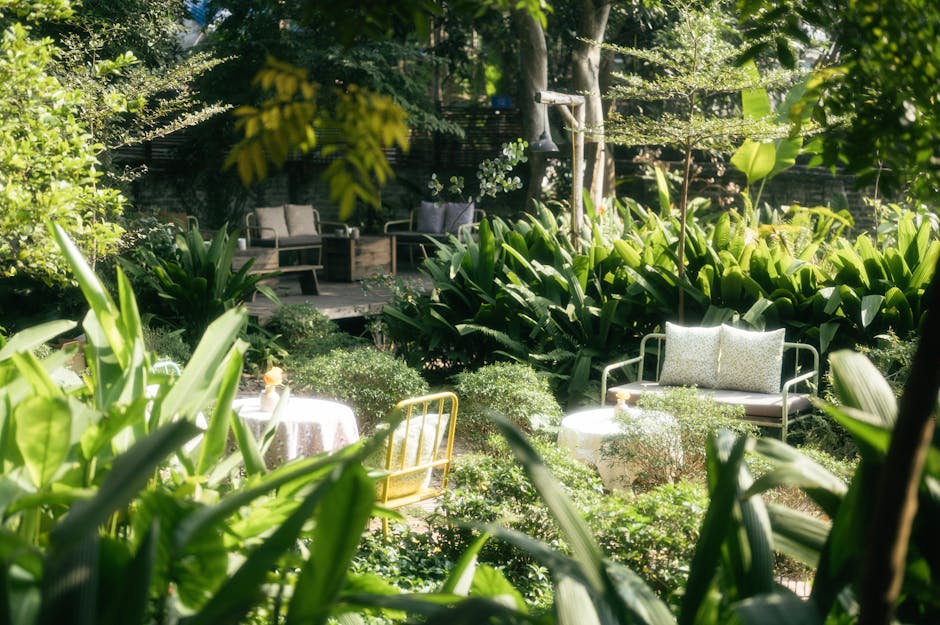
Best gardeners for gardens near East Croydon station
If you live or work near East Croydon station, you already know the area has its own pace: trains coming and going, compact front gardens, tucked-away courtyards, and the kind of patchy shade that can make a lawn look tired before lunch. Finding the best gardeners for gardens near East Croydon station is not just about hiring someone to "do the garden". It is about finding a local professional who understands small urban spaces, busy schedules, rental properties, family homes, and the reality of keeping outdoor areas looking good in a fairly demanding part of South London.
This guide breaks down what good local gardening support looks like, how to compare services properly, what to ask before you book, and how to avoid the usual mistakes that lead to disappointment. Whether you need a one-off tidy-up, regular maintenance, hedge cutting, lawn care, or a complete seasonal reset, you will find practical advice here. And yes, we will keep it straight and useful. No fluff. Lets face it, nobody wants to read a garden essay that never gets to the point.
Table of Contents
- Why Best gardeners for gardens near East Croydon station Matters
- How Best gardeners for gardens near East Croydon station Works
- Key Benefits and Practical Advantages
- Who This Is For and When It Makes Sense
- Step-by-Step Guidance
- Expert Tips for Better Results
- Common Mistakes to Avoid
- Tools, Resources and Recommendations
- Law, Compliance, Standards, or Best Practice
- Options, Methods, or Comparison Table
- Case Study or Real-World Example
- Practical Checklist
- Conclusion
- Frequently Asked Questions
Why Best gardeners for gardens near East Croydon station Matters
Near East Croydon station, outdoor space can be a real asset. A small garden, courtyard, or shared frontage can make a property feel calmer, brighter, and more cared for. The trouble is, these spaces also pick up clutter quickly. A few wet weeks, a burst of weeds, or a hedge that grows faster than you expected, and suddenly the whole place looks neglected.
That is where choosing the right gardener matters. A strong local gardener does more than mow, trim, and clear up. They help you keep the garden usable, safe, and presentable, even if you only have limited time to manage it yourself. For landlords, it can also help protect property appeal between tenancies. For homeowners, it can stop a small issue becoming a bigger one. For offices or mixed-use properties, tidy external space gives a much better first impression than a scruffy entrance ever will.
Near a station, the practical demands can be slightly different too. There may be more foot traffic, less parking, tighter access, noise considerations, and the odd neighbour who notices everything. In that setting, reliability counts. So does tidiness. A good gardener turns up when they say they will, clears away waste properly, and leaves things better than they found them. Simple, but surprisingly rare if you do not choose carefully.
Expert summary: The best local gardeners are not always the biggest companies. They are usually the ones who understand your type of garden, communicate clearly, and keep the work consistent across the seasons.
How Best gardeners for gardens near East Croydon station Works
In practice, hiring a gardener near East Croydon station usually starts with a short conversation about the space, the problems, and the outcome you want. That may sound obvious, but it is where a lot of jobs go wrong. Some people ask for "garden maintenance" when what they actually need is hedge reduction, weed control, pruning, lawn rescue, and a proper tidy-up. A clear brief helps the gardener quote accurately and work efficiently.
Most local gardeners will work in one of three ways:
- One-off garden clearance or tidy-up for an overgrown or neglected space.
- Regular maintenance visits every week, fortnight, or month to keep things under control.
- Seasonal work such as pruning, planting, leaf clearance, and lawn renovation.
The best gardeners for a site near East Croydon station will usually be familiar with the realities of urban South London gardens: compact layouts, mixed sun and shade, boundary hedges, artificial turf in some properties, and a fair amount of general wear. They will also know that access matters. If a gardener has to carry tools through a narrow side passage or down a shared path, that changes the job. Good professionals factor those things in without making a fuss.
You should expect an honest assessment too. For example, if a lawn is badly compacted and patchy, mowing alone will not fix it. If a shrub has outgrown its space, it may need careful reshaping or replacement. If the garden is mostly paved with containers, you need someone who understands planter maintenance and not just grassy lawns. To be fair, that distinction saves a lot of money and frustration later.
Key Benefits and Practical Advantages
Choosing a skilled gardener brings more than a neat finish. The benefits are practical, visible, and in many cases ongoing. Here are the ones that tend to matter most.
1. A garden that stays manageable
A well-maintained garden is much easier to keep on top of. Once the basics are under control, each visit tends to be quicker and less disruptive. That means less overgrowth, fewer emergency jobs, and fewer weekends lost to wrestling with brambles or trying to cut back a hedge with blunt tools.
2. Better use of limited space
Near East Croydon station, many gardens are compact. Good gardeners know how to make small spaces feel larger and calmer. They can tidy sight lines, lift low branches, shape planting, and make sure paths and seating areas are usable rather than swallowed by growth.
3. Healthier plants and lawns
It is easy to trim something into submission. It is harder to prune, feed, water, and maintain it in a way that supports real growth. The better gardeners understand timing. They know when not to cut, when to leave spring bulbs alone, and when a lawn needs aeration rather than yet another mow.
4. Less stress for landlords and busy households
If you are juggling work, commuting, children, or tenants, garden maintenance is often the thing that slips. A dependable gardener keeps the outside area from becoming a source of nagging stress. That matters more than people admit.
5. Better first impressions
A tidy front garden or entrance can change how a property feels instantly. It smells fresher after a cut, looks brighter after a clean, and gives a sense of care. That matters for sales, lettings, hospitality, and everyday living. A little trim goes a long way.
Who This Is For and When It Makes Sense
This kind of local gardening support is a good fit for several types of property owners and managers.
- Homeowners who want a reliable hand with weekly or monthly upkeep.
- Busy professionals commuting through East Croydon who do not want to spend Saturday with a strimmer.
- Landlords needing gardens kept presentable between tenancies.
- Letting agents managing multiple properties with different maintenance needs.
- Older residents who need practical help with heavier or repetitive work.
- Families who want a safe, usable garden without weeds, broken edges, or messy corners.
It also makes sense if you are preparing a property for sale, recovering a garden after months of neglect, or simply tired of battling the same patch of stubborn growth every few weeks. You do not need a huge budget or a grand landscape to justify calling in help. Sometimes the sensible move is just the sensible one.
And if you are unsure whether you need a full maintenance service or a one-off tidy, ask yourself this: do you want a short-term fix, or do you want the garden to stay in good shape? That question usually clears things up fast.
Step-by-Step Guidance
If you want to find the right gardener near East Croydon station without wasting time, use a simple, structured process. It keeps things calm and helps you compare like with like.
- Define the job clearly. List the tasks you actually need: mowing, weeding, hedge trimming, pruning, jet washing, leaf clearance, planting, or full tidy-up.
- Photograph the space. A few clear photos of the front, back, side access, and problem areas help a gardener assess the work properly.
- Decide how often you need support. One-off, fortnightly, monthly, or seasonal? There is no point paying for visits you do not need.
- Ask about experience with similar gardens. Urban courtyards, rental properties, family gardens, and mature borders all need different handling.
- Check what is included. Does the price include green waste removal, disposal, hedge clippings, and basic sweeping-up?
- Confirm access and timing. If the property is near the station, parking and access may be tight. Mention this early.
- Agree the outcome, not just the task. For example: "tidy and manageable" is clearer than "do the garden".
- Review after the first visit. Good gardeners welcome feedback. A quick conversation after the first job often sets the standard for future visits.
One small but useful tip: if your garden has a mix of features, such as a patio, a small lawn, raised beds, and shrubs, separate the work into zones. It helps avoid the classic "we thought you meant the whole thing" conversation. Been there, seen that. Not fun.
Expert Tips for Better Results
The best gardening results usually come from good communication and seasonal awareness. Not expensive gear, not fancy language. Just a clear plan and the right timing.
Think in seasons, not just visits
What your garden needs in March is not what it needs in August. Spring is often for a reset: lawn care, edging, weeding, pruning of suitable shrubs, and checking what survived winter. Summer usually means watering, deadheading, mowing, and staying ahead of fast growth. Autumn is all about leaf clearance, tidying, and preparing beds. Winter can be the moment for structural pruning, depending on the plants involved.
Match the gardener to the garden type
Some gardeners are brilliant at regular maintenance. Others are better at restoration work or planting design. If your garden is overgrown, ask whether the person or team has experience with clearance jobs and heavier pruning. If you mainly need ongoing care, find someone who is methodical and reliable rather than theatrical with a hedge trimmer.
Use photos to agree scope
A quote based on photos is often more useful than a vague phone estimate. It gives the gardener a sense of access, scale, and difficulty. It also gives you a clear record of what was discussed. Simple, but it saves headaches.
Be realistic about what can be done in one visit
A garden that has been neglected for six months may need multiple sessions. Trying to do everything at once can stress plants and produce a rushed finish. The smarter option is often to tackle the garden in stages. That way, you get a cleaner result and fewer regrets.
Ask about waste removal early
Green waste can build up quickly. Branches, hedge cuttings, old compost, and weeds all take space. If disposal is not included, ask how it is handled. That one detail can make a quote seem cheap at first and expensive later. A small nuisance, but a real one.
Common Mistakes to Avoid
Most bad experiences with gardening services come from a few repeated mistakes. Avoid these and you are already ahead.
- Choosing only on price. Cheap is not always good value, especially if the job needs to be redone.
- Not explaining the exact problem. "The garden is messy" is not enough if you also need pruning, weed control, and waste removal.
- Assuming all gardeners do the same work. Some specialise in maintenance, some in landscaping, some in clearance. They are not interchangeable.
- Forgetting access issues. Near a station, parking can be awkward. Mention it up front.
- Leaving it too long. A small weed issue becomes a big one quickly. Same with hedges, to be honest.
- Skipping the first-visit review. If something is not quite right, say so early and calmly.
One of the biggest mistakes is assuming the garden "looks fine" from the window, so no maintenance is needed. Then you go outside on a damp Saturday morning and notice the lot. The weeds, the moss, the edges, the hidden corner by the shed. Garden work has a funny way of revealing itself all at once.
Tools, Resources and Recommendations
You do not need to buy a shed full of equipment to manage a local garden well, but it helps to understand the basic tools and services a good gardener may use. That way, you can discuss the job more intelligently and judge whether the right equipment is being used.
- Hand tools: secateurs, loppers, edging tools, shears, spades, forks, and rakes.
- Power tools: mower, strimmer, hedge trimmer, leaf blower, and sometimes a shredder.
- Materials: mulch, compost, topsoil, fertiliser, and plant supports.
- Maintenance support: scheduled visits, seasonal tidy-ups, planting plans, and waste removal.
If you are researching services in the area, useful internal resources can help you compare options and understand what is available. For example, a local homeowner might start with garden maintenance services if the goal is ongoing care rather than a one-off clear-up. If the issue is an overgrown boundary or screening hedge, hedge trimming and shaping is often the more relevant service.
For a garden that needs a complete refresh after a long gap, garden clearance and tidy-ups can be the quickest route to a manageable space. And if the outside area needs more than cutting back, lawn care and treatment is worth considering, especially where patchiness, moss, or thinning are part of the picture.
It can also help to browse a broader local overview such as gardeners in Croydon, or look at nearby neighbourhood coverage like gardeners in South Croydon and gardeners in Woodside. If you are comparing broader service capability, landscaping support and tree pruning services may be useful depending on the garden's layout. For practical questions before booking, the FAQs page can help set expectations without guesswork.
Law, Compliance, Standards, or Best Practice
Garden work around homes and rental properties is usually straightforward, but there are still sensible standards to follow. These are not dramatic legal issues most of the time, yet they matter if you want the job done properly and safely.
Good practice usually includes:
- Safe handling of tools and sensible use of protective equipment where needed.
- Careful disposal of green waste rather than dumping it or leaving it behind.
- Respect for boundaries and neighbours, especially where access is shared or gardens are close together.
- Protection of plants and surfaces while cutting, pruning, or moving waste.
- Reasonable attention to site-specific risks such as uneven paving, hidden steps, or slippery patios after rain.
If you are a landlord, letting agent, or property manager, you may also want to keep a record of routine outdoor maintenance. Not because every garden needs a file folder and a dramatic stamp, but because clear records help with handovers, inspections, and general accountability. For shared buildings or managed properties, it is worth confirming who is responsible for external upkeep before any work begins.
On the practical side, always check that any contractor you use is clear about insurance, disposal arrangements, and the boundaries of the job. You do not need to overcomplicate it. Just ask sensible questions and expect straight answers. That is how good work is usually identified.
Options, Methods, or Comparison Table
Different gardens need different levels of support. Below is a simple comparison to help you decide what suits your situation best.
| Option | Best for | Typical strengths | Things to watch |
|---|---|---|---|
| One-off tidy-up | Overgrown or messy gardens | Fast visual improvement, clears the backlog | Not enough if the garden keeps regrowing quickly |
| Regular maintenance | Busy households, landlords, front gardens | Consistent appearance, easier upkeep | Needs a reliable schedule and good communication |
| Seasonal visits | Gardens that only need periodic attention | Cost-effective, targeted work | Can drift if the garden changes quickly between seasons |
| Specialist work | Hedges, trees, lawns, planting schemes | Better results on specific tasks | May need different providers for different jobs |
In many cases, the best arrangement is a blend. For example, a garden near East Croydon station might benefit from monthly maintenance during the growing season, then a seasonal cut-back and leaf clearance in autumn. That tends to be a sensible middle ground for people who want good presentation without overpaying for visits they do not need.
Case Study or Real-World Example
Here is a realistic example based on the kind of work commonly needed in the area.
A couple living a short walk from East Croydon station had a small rear garden that had quietly got out of hand. Nothing dramatic. Just the usual mix: weeds in the paving joints, a lawn that had gone thin and uneven, a hedge pushing into the neighbour's side, and a back corner that collected old leaves and forgotten pots. It was the sort of space that looked "fine" from inside, until they finally stepped out with a cup of tea and saw it properly.
They did not need a full redesign. They needed order. The gardener they hired started with a clear tidy-up, removed waste, cut the hedge back carefully, edged the lawn, and explained which plants should be left alone until the right season. Rather than forcing a big job in one go, the work was split into two visits: the first to restore shape and access, the second to refine the lawn and replant a tired border.
The result was not flashy. That is the point. The garden became usable again. It felt calmer, cleaner, and easier to maintain. A month later, the couple said the biggest difference was not the appearance alone, but the fact they could keep it that way without dreading the next weekend. That is usually what good gardening support should do. Make life easier, not busier.
Practical Checklist
Use this checklist before you book anyone to work on a garden near East Croydon station.
- Define whether you need a one-off visit, regular maintenance, or seasonal work.
- List the exact tasks you want completed.
- Take photos of the garden and any access points.
- Ask whether waste removal is included.
- Confirm if the gardener has experience with similar-sized urban gardens.
- Check how the gardener handles pruning, lawn care, and hedge work.
- Ask what equipment will be used and whether it suits your site.
- Make parking or access details clear before the visit.
- Agree the expected outcome and any follow-up work.
- Review the first visit and give feedback while the work is still fresh.
If you can tick most of those boxes, you are in good shape. If not, pause and ask a few more questions. It is much easier to clarify things before the first cut than after.
Conclusion
Finding the best gardeners for gardens near East Croydon station is really about fit. You want someone who understands local access, urban garden conditions, seasonal timing, and the difference between a quick tidy and proper ongoing care. The strongest choice is usually the gardener who listens well, explains the work clearly, and leaves your space tidier, calmer, and easier to manage than before.
Take your time, compare like with like, and focus on reliability as much as price. A good gardener should make your life simpler. That is the whole point, truth be told.
Get a free quote today and see how much you can save.
If you are ready to make the garden feel manageable again, start with a clear brief and a simple conversation. A neat outdoor space near East Croydon can make the whole home feel lighter, and that is no small thing.
Frequently Asked Questions
What should I look for in a gardener near East Croydon station?
Look for reliability, clear communication, experience with similar gardens, and a sensible approach to waste removal and access. A good local gardener should be able to explain what they will do, how long it should take, and what is included.
How often should a garden near East Croydon be maintained?
It depends on the size and planting, but many small urban gardens benefit from fortnightly or monthly maintenance during the growing season. Some need only seasonal attention if the layout is simple and growth is slower.
Do gardeners near East Croydon station handle waste removal?
Many do, but not all. Always ask whether green waste removal is included in the quote. If it is not, ask how clippings, branches, and other waste will be handled after the job.
Is a one-off tidy-up enough for an overgrown garden?
Sometimes, but not always. If the garden has been neglected for a long time, it may need staged work. A first visit can restore order, followed by later maintenance to keep it that way.
What is the difference between garden maintenance and landscaping?
Garden maintenance is usually about keeping the space tidy and healthy: mowing, pruning, weeding, and ongoing care. Landscaping tends to involve bigger changes, such as redesigning beds, patios, paths, or planting layouts.
How can I compare quotes fairly?
Make sure each quote covers the same scope. Compare what tasks are included, whether waste removal is part of the price, and how often the work will happen. Otherwise you are comparing apples with pears, which is never very helpful.
Can a gardener help with a small courtyard or paved garden?
Yes, definitely. Small spaces often need careful pruning, container care, weed control, and cleaning of paving or edging. A good gardener can make a compact space feel much more intentional and easier to use.
What should I ask before booking a gardener?
Ask about experience, availability, waste removal, access, pricing structure, and whether they can handle the exact tasks your garden needs. If the garden has tricky features, mention them early.
Do I need a regular gardener if my garden is small?
Not always. Some small gardens only need seasonal visits or occasional help. But if growth is fast, or if you do not have time to stay on top of things, regular visits can save effort in the long run.
Are there special considerations for gardens near a busy station area?
Yes. Access, parking, noise, and timing can matter more than they do in quieter streets. Clear scheduling and tidy work habits help avoid disruption and make the whole process smoother.
What if I only need help with one part of the garden?
That is common. Many gardeners will take on specific tasks such as hedge trimming, lawn care, or clearance work. It is usually better to be precise than to ask for general garden work and hope for the best.
How do I know if a gardener is the right fit?
If they ask good questions, seem interested in the actual condition of the garden, explain their approach clearly, and are straightforward about what they can and cannot do, that is a strong sign. Good fit matters more than a polished sales pitch.